Muhammad ReduanTechnology Lead, Artech Niaga Sdn Bhd
Kajang, Selangor, Malaysia
Digital transformation, Business intelligence, Enterprise solutions
Full-time, Contract, Remote
I turn complexsystems intoclear outcomes.
I lead technology delivery for regulated, national-scale systems, from the first requirements workshop to rollout and handover: card issuance for 180k+ UiTM students, Power BI for Malaysia’s Ministry of Education, and a Dubai taxi platform that earned ~USD 1M in its first year.
The questions a hiring panel asks first, answered before any of the detail. Each figure carries its source underneath.
RM 3–5Mannual technology budget ownedHeld continuously since 2011, across two roles.
~USD 1Mfirst-year advertising revenueDubai infotainment programme, from launch.
180k+students in the university system servedCard issuance across 35+ campuses. UiTM's own published enrolment.
2countries delivered from the groundMalaysia and the UAE — four years on site in Dubai.
8regulated sectors delivered into
Education
Public transport
Telecommunications
Healthcare & pharmaceutical
Water utilities
Automotive manufacturing
Border enforcement
Defence electronics
Rooms 2 to 6
From signal processing to applied AI.
Five chapters. Each one added a new layer of responsibility without taking me away from the technical work.
Room 2: Signals to Software2006–2010
From programmable logic to application software.
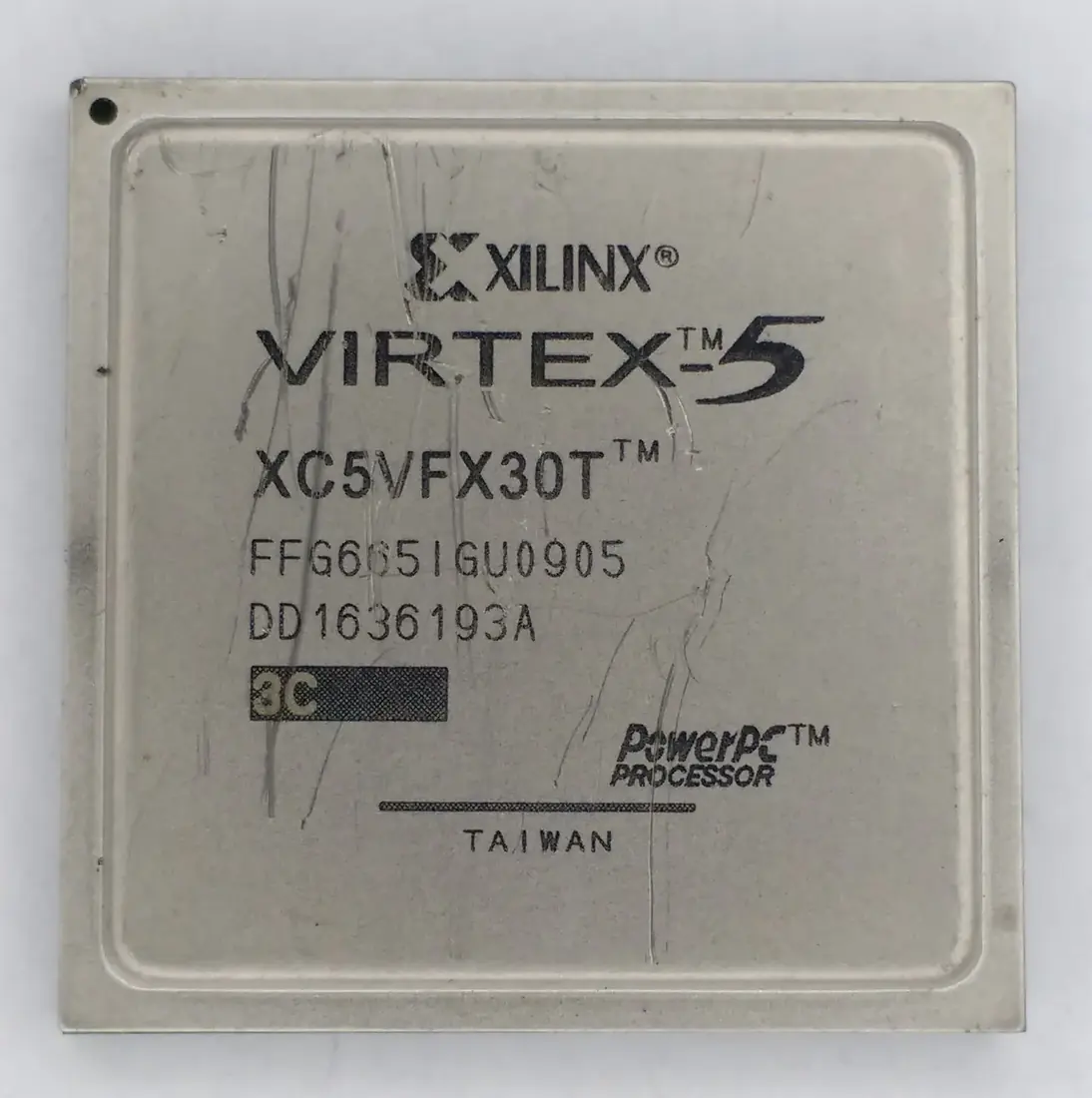
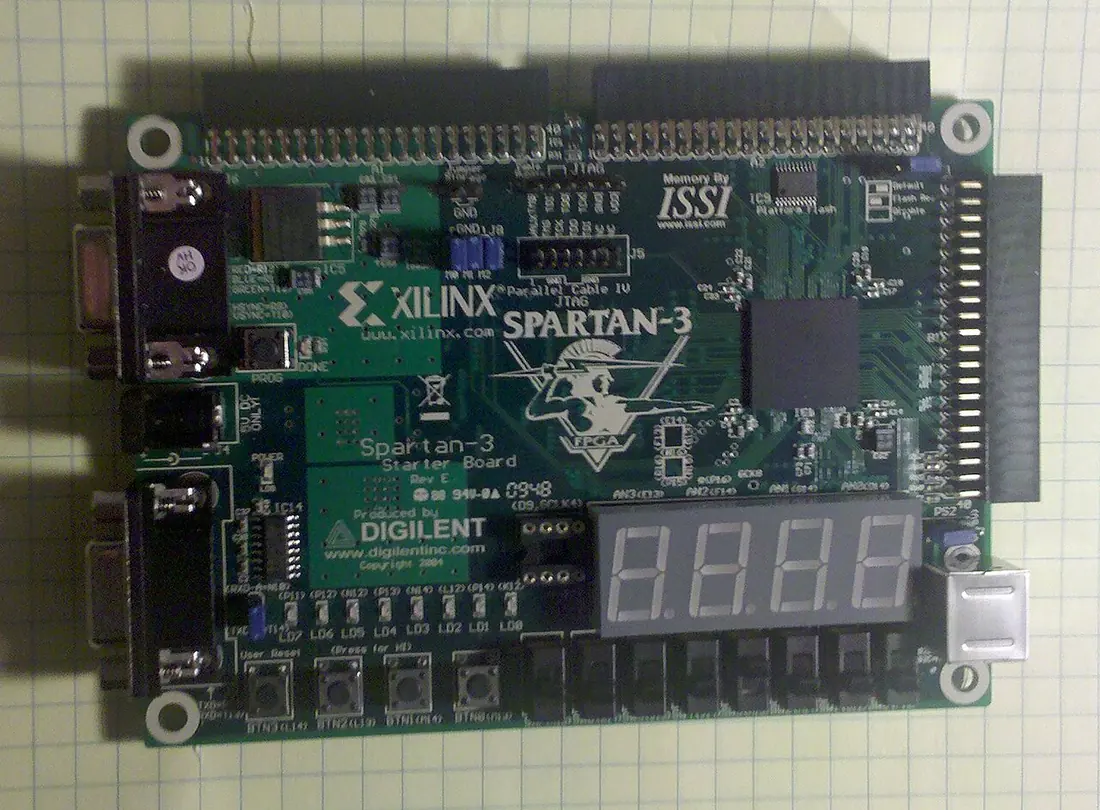
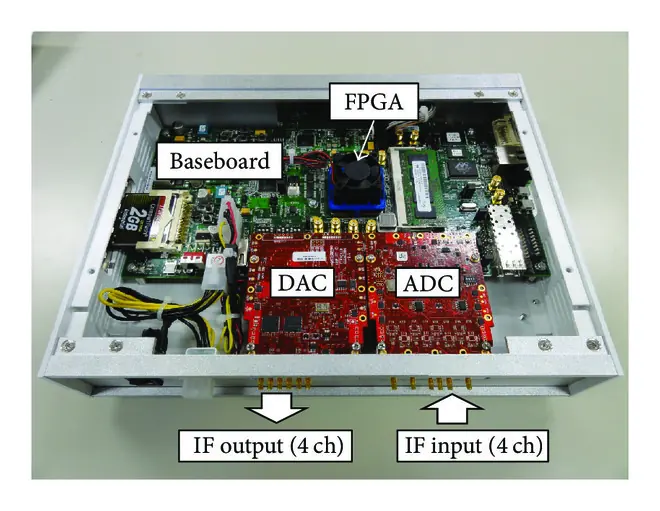
As a Design Engineer, I used VHDL to build FPGA IP blocks for modulation, demodulation and MIMO communication systems. I also integrated ADC/DAC and RF modules and led the development of a jamming-system kit—complex work involving signals, timing and tightly coordinated hardware.
Provenance
Design Engineer, Polarizone Technologies Sdn Bhd, 2006–2009Senior Software Engineer, Sapura Thales Electronics Sdn Bhd, 2009–2010
Medium
FPGA, MIMO, Java, SNMP, VB6.0, C#.NET
Dimensions
6 engineering layers crossed
Room 3: Systems in motion2011–2020
From in-vehicle hardware to a city-wide operating service.
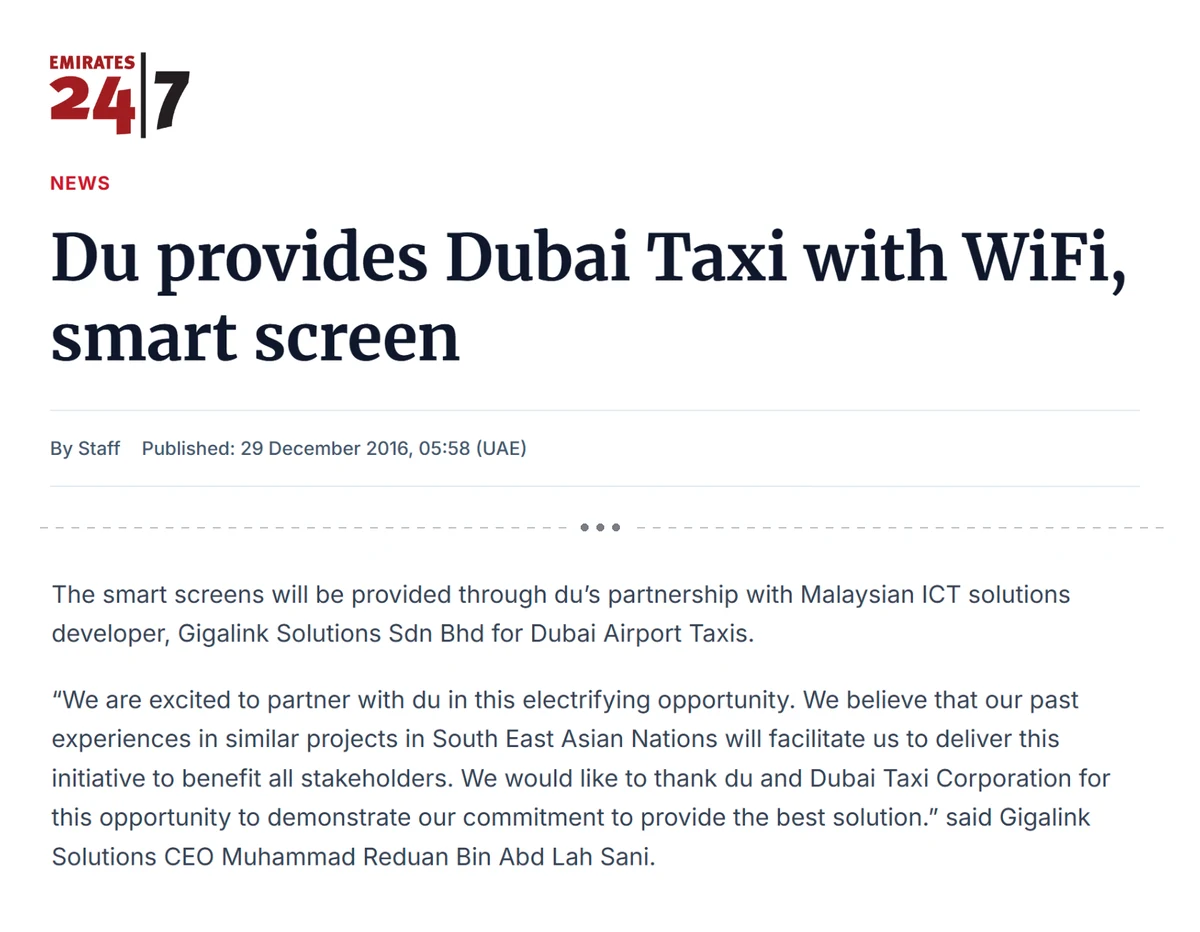
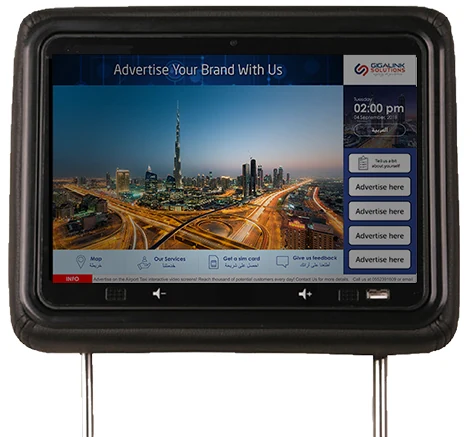
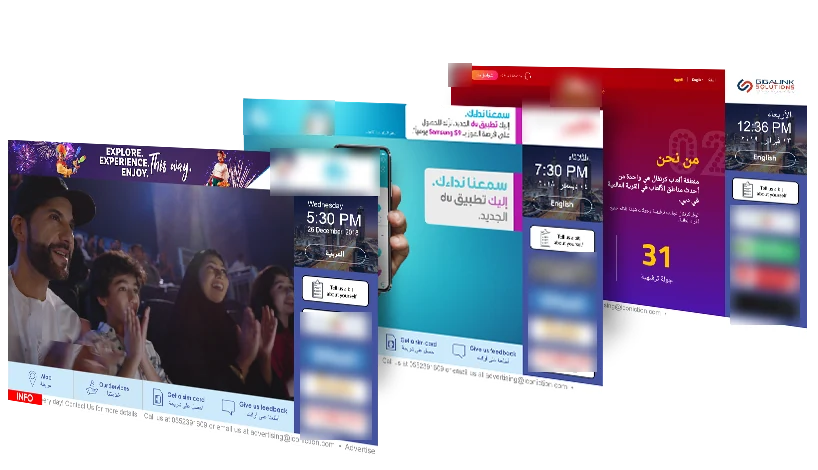
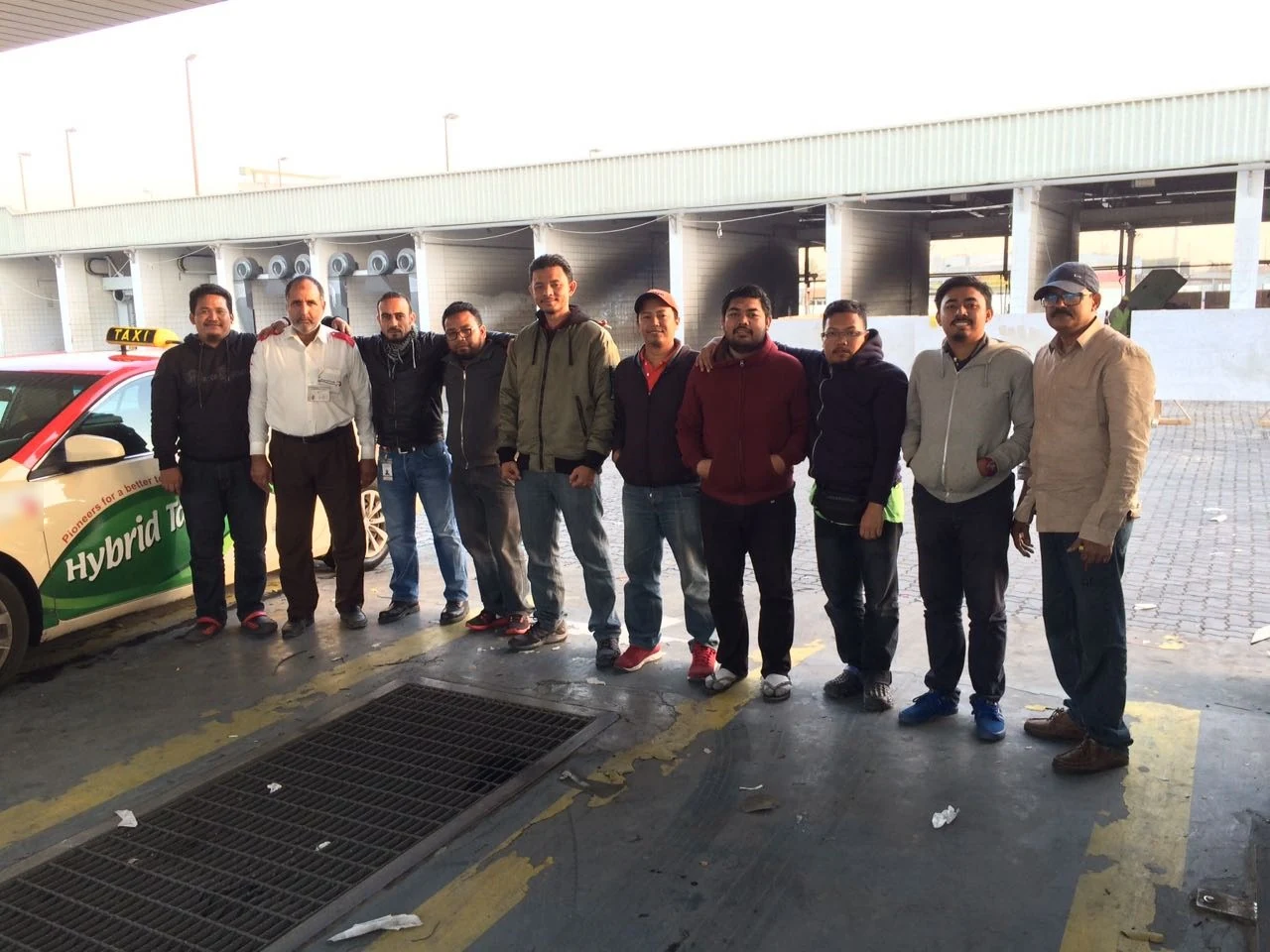
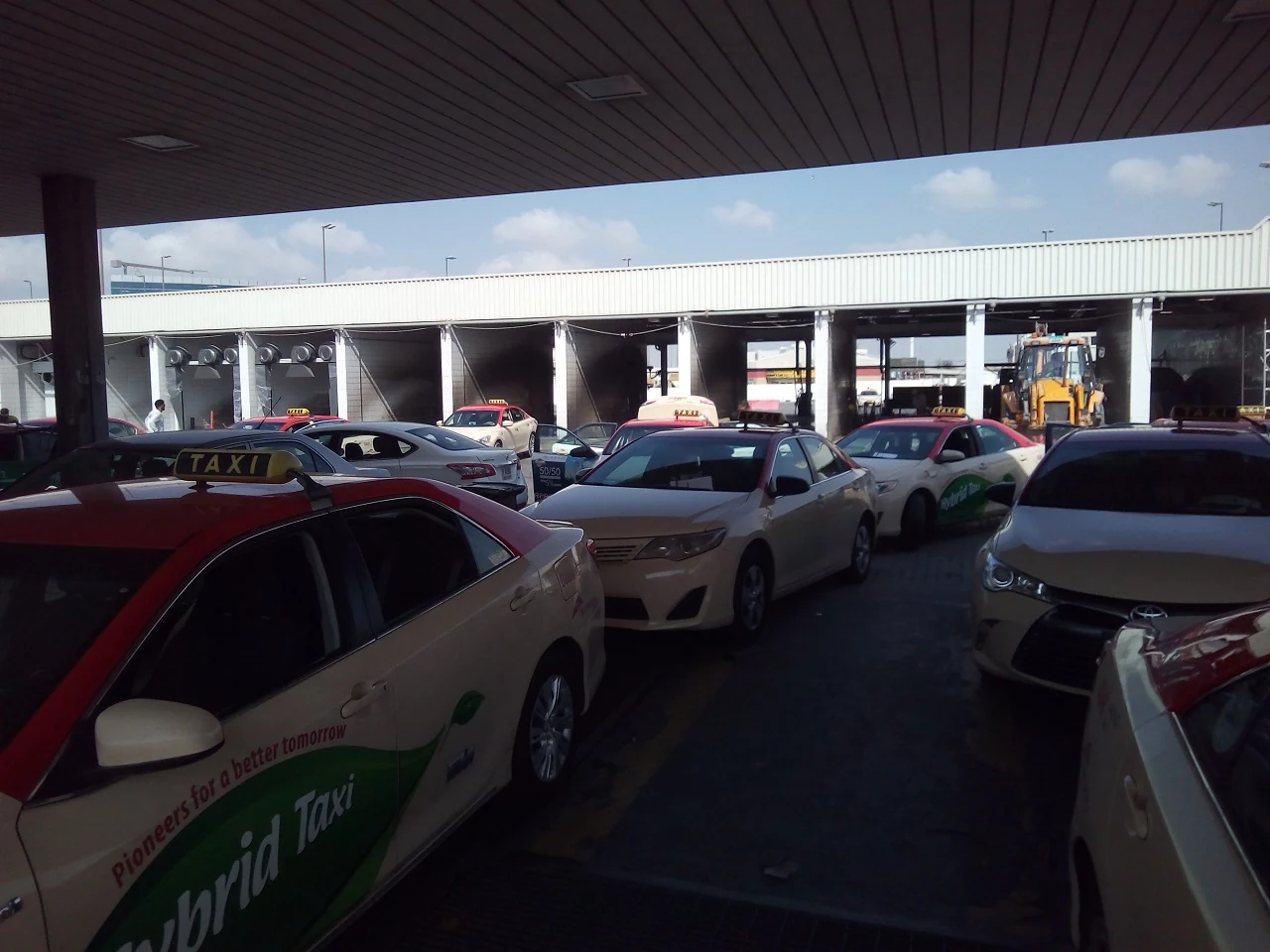
As Head of Technology I led a cross-functional team of 14, designing and prototyping enterprise platforms and taking proofs of concept into production. From 2016 I moved on-site to Dubai as Project Manager for the DTC Infotainment platform, across Android in-vehicle hardware, a Java advertising application, cloud services and du’s M2M network. With du, Dubai Taxi Corporation and RTA, I coordinated fleet rollout, connectivity, content delivery, live operations and incident response — and took the programme to ~USD 1M in advertising revenue in its first year.
The headrest screen fitted in each taxi: advertising beside the clock and the passenger services.Screens from the live service, in Arabic and English. Partner, authority and advertiser logos are blurred.The boot screen each taxi showed at start-up. The client's and partner's logos are removed.My team with the last taxi driver and the Dubai Taxi manager, at the depot.Hybrid taxis lined up at the depot.
In the press: Emirates 24|7, 29 December 2016Du provides Dubai Taxi with WiFi, smart screenThe launch of WiFi and smart screens in 500 Dubai Airport taxis, with Gigalink named as du’s smart-screen partner.Read the article
Provenance
Head of Technology, Gigalink Solutions Sdn Bhd, 2011–2020Project Manager, Gigalink Electronics Trading LLC, Dubai, 2016–2020
Medium
Smart mobility, Digital advertising, M2M connectivity, SLA operations, UAE delivery
Dimensions
500+ taxis & limousines
Room 4: Enterprise-grade delivery2020–2022
The requirement, the code, the rollout — and the handover.
For the UiTM Card Management System (UCMS), I managed the project and led delivery with a small team. I built the Bootstrap frontend, wrote the URS and took it through approval, led UAT, prepared the manuals, trained users and coordinated rollout. The customer received working software together with the documents and knowledge needed to support it.
Provenance
Technology Lead, Artech Niaga Sdn Bhd, 2020–present
Medium
C#, Laravel, Node.js, Bootstrap, URS, UAT, Training
Dimensions
35+ campuses in the rollout
Room 5: Healthcare traceability2022–2024
Every scan, label and movement accounted for.
For CPMS, I built C# services that connected barcode scanners, PLCs, industrial printers and GS1 identifiers. Across eight repositories, the system coordinated scan, print and equipment events, and gave operators a reliable record of what happened, where and when.
Healthcare track & trace
Sign-in The sign-in screen for production line TX-DASC-PL1.
Product planning Batch confirmation, the QR codes for carton and pallet, and the pallet card that prints with its DataMatrix.
Live production A batch at 30%: every duplex serial with its status, the WIP2 holds in red.
Machine status The Mitsubishi PLC, the Diagraph TJ1000 printer, two Keyence scanners and the line PC, each online or offline.
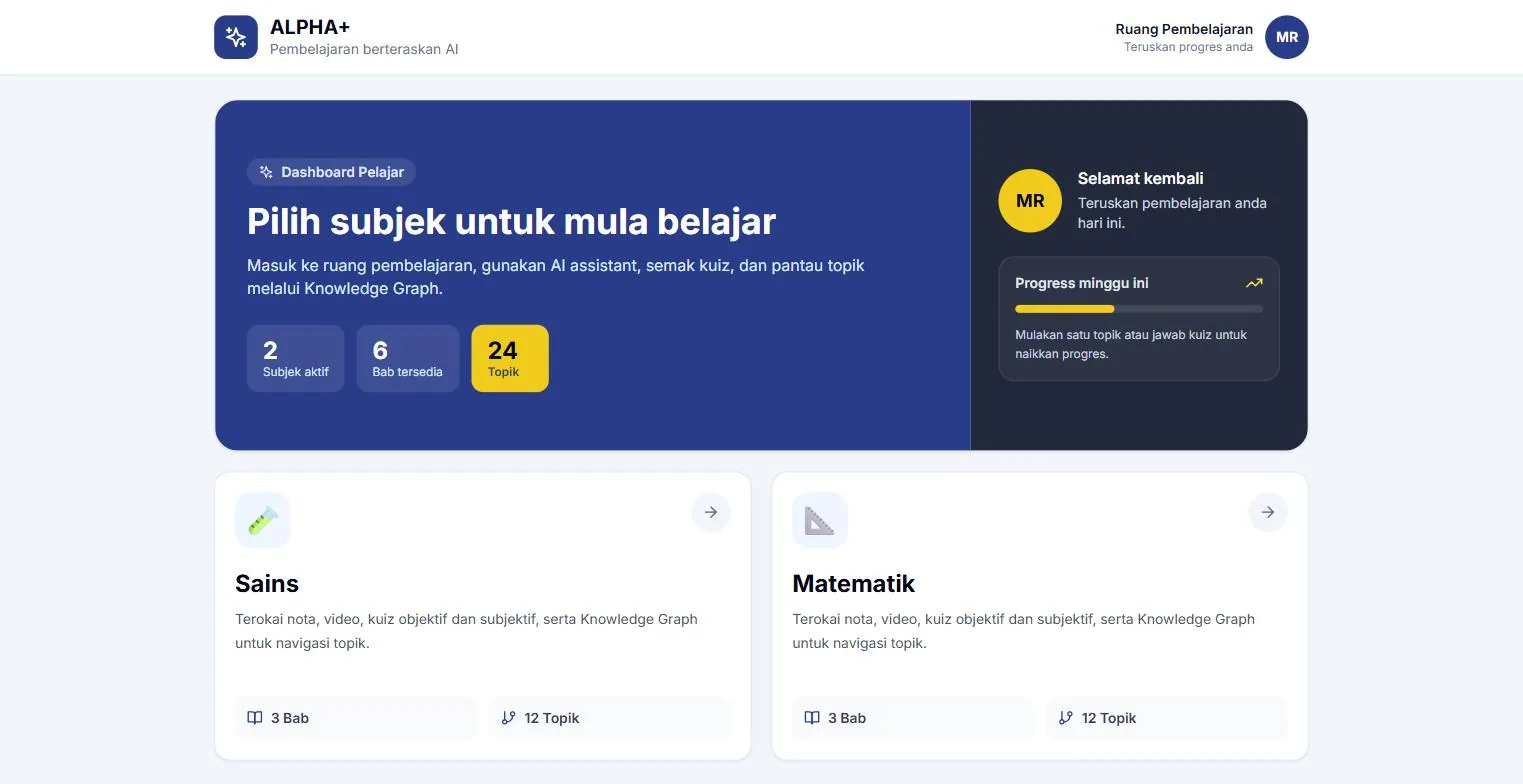
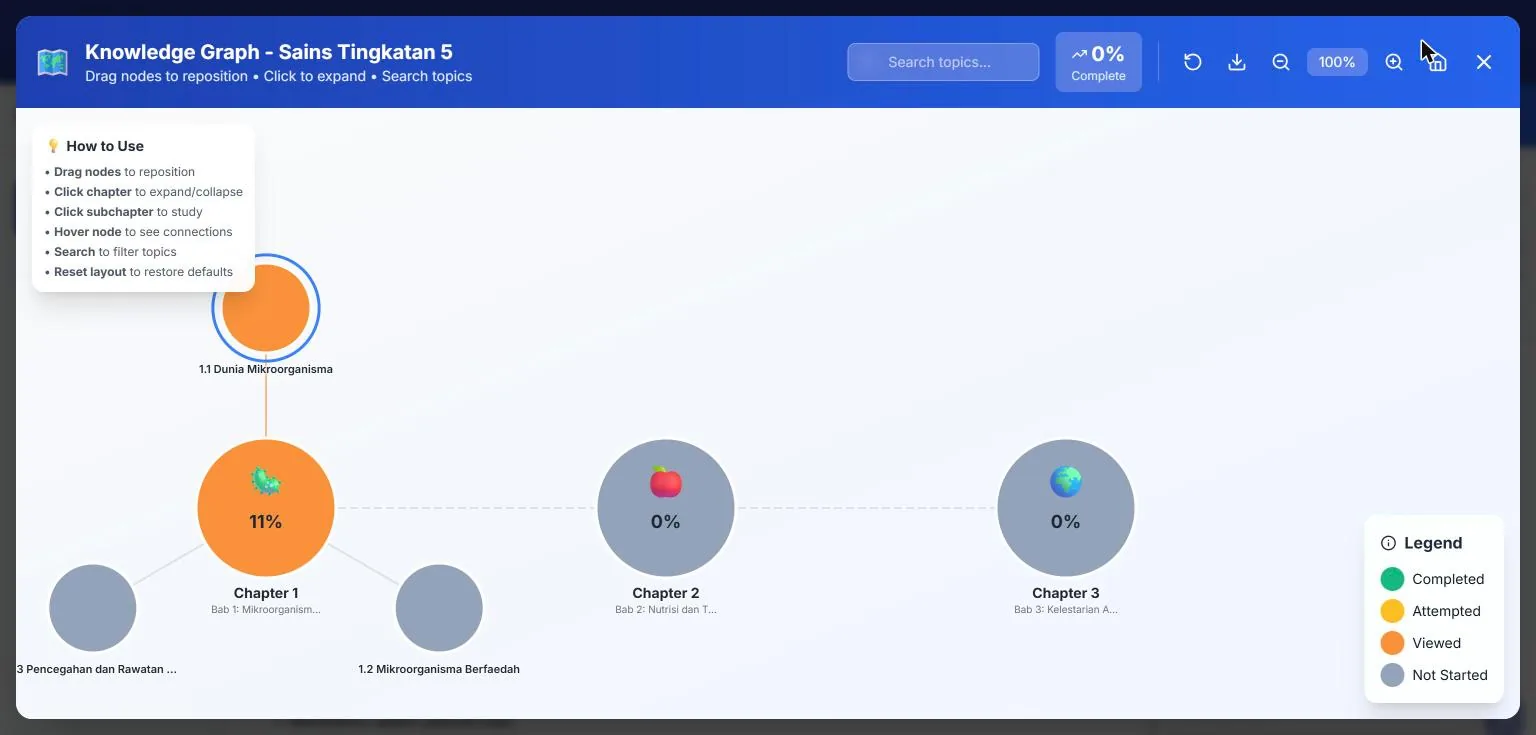
ALPHA+ is a Windows desktop learning application for laptops and PCs. It runs without internet and combines structured SPM lessons, a local AI assistant with four explanation levels, mock exams and a knowledge graph that shows progress across each topic. I wrote about 30% of the JavaScript as part of a team.
Provenance
Technology Lead, Artech Niaga Sdn Bhd, continued
Medium
JavaScript, Electron, Windows desktop, Local LLM, llama.cpp, AI assistant, Knowledge graph
Dimensions
24 topics across 2 subjects
Special exhibitionLive
A live Power BI report, built end to end from public data.
Live Power BI report
real public data
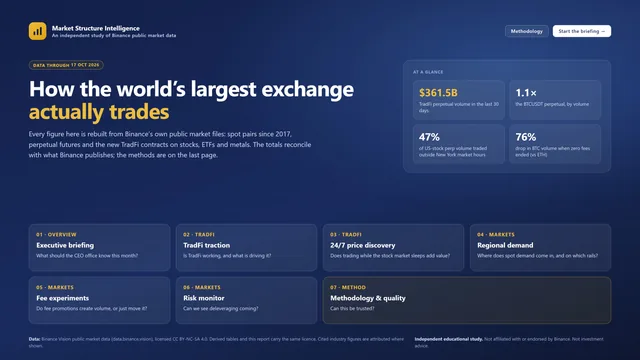
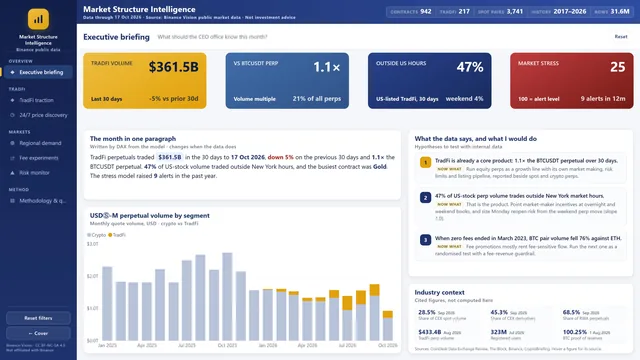
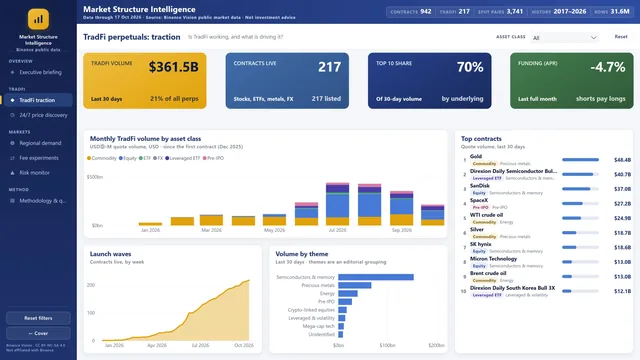
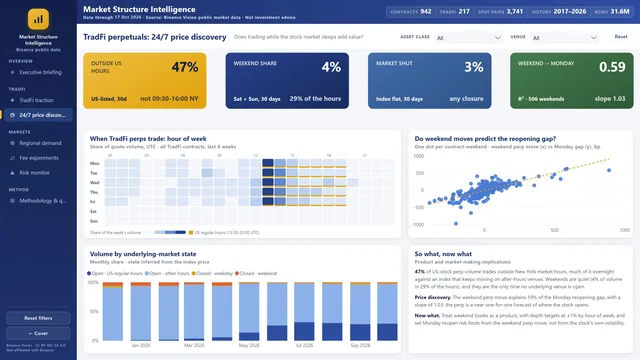
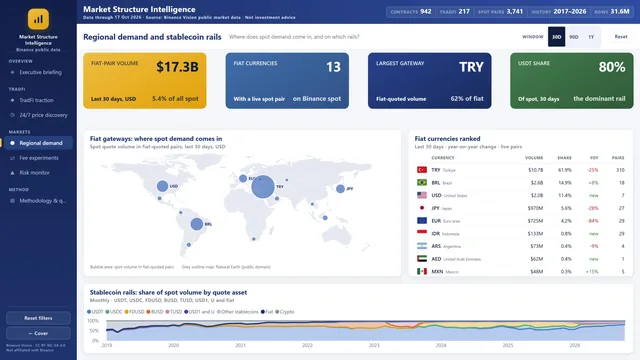
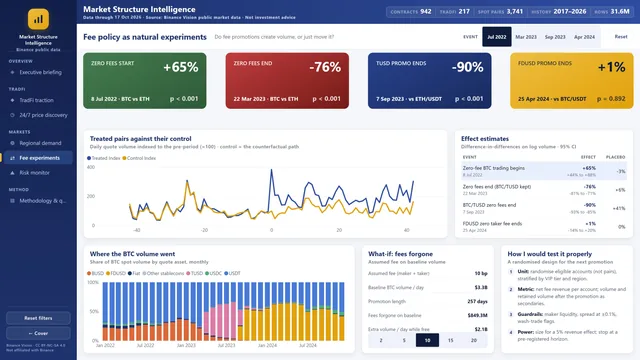
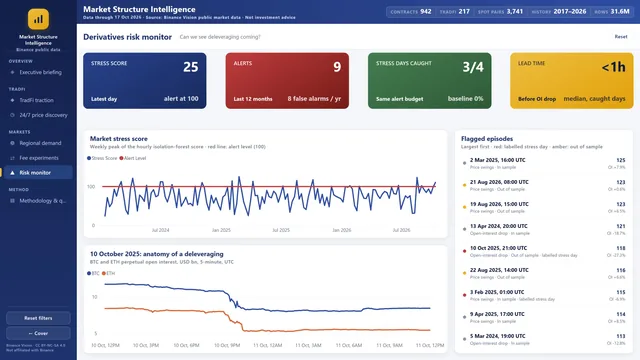
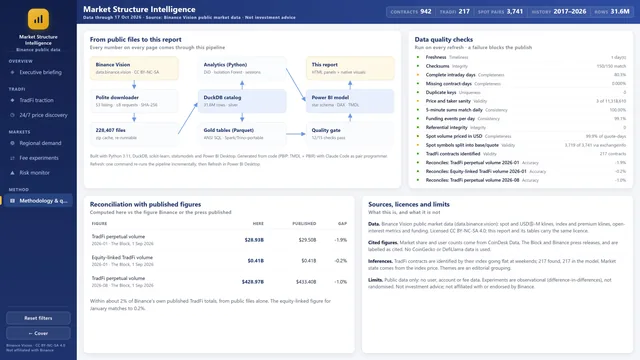
An independent study of Binance public market data. I built it end to end: a Python and DuckDB pipeline over Binance’s public files, a star-schema model with DAX, and 8 report pages that include fee-policy natural experiments and a machine-learning risk model. Its totals are reconciled against the figures Binance itself published. Explore it live, or page through the images and the PDF.
TradFi perpetual volume, Aug 2026, rebuilt from public files
$429B
gap to the figure Binance published
-1.0%
TradFi contracts identified from the data
217
rows from 228,407 public files, data through 17 Oct 2026
Live in Microsoft Power BI: move through all 8 pages, use the slicers and hover for detail. No sign-in needed. It loads from app.powerbi.com only when you open it.
Cover What this study is, and what it found
VisualisationExecutive briefing What the CEO office should know this month
VisualisationTradFi traction Is TradFi working, and what drives it?
Analysis24/7 price discovery Does trading while the stock market sleeps add value?
VisualisationRegional demand Where spot demand comes in, and on which rails
ExperimentsFee experiments Do fee promotions create volume, or just move it?
Machine learningRisk monitor Can we see deleveraging coming?
EngineeringMethodology & quality Can this be trusted?
Data: Binance Vision, CC BY-NC-SA 4.0. Independent study; not affiliated with or endorsed by Binance. Not investment advice.
Permanent collection
Work built for real operating conditions.
These projects come from different domains, but the delivery pattern is similar: several stakeholders, difficult integration points and someone who has to operate the result.
UCMS
UiTM Card Management System
End-to-end university card issuance: online application, payment status, photo validation, printing, encoding, UAT, rollout and handover.
Provenance
WorxwareSystem integrator
Artech NiagaBuilt & delivered
UiTMEnd client
Medium
Laravel, C#, MariaDB, JavaScript, Bootstrap
Dimensions
35+ campuses
Role
Project manager, Lead developer, URS author, Trainer
Treatment-plant performance translated into a compliance view that operations teams could monitor and act on.
Provenance
Indah Water KonsortiumEnd client
Medium
Power BI, DAX, Compliance analytics
Dimensions
Regulated operations
Role
BI solution delivery
ALPHA+
AI-powered learning platform
A Windows desktop learning application with offline lessons, a local AI assistant, mock exams and a progress knowledge graph.
Provenance
Built with my teamOffline Windows build
Medium
JavaScript, Local LLM, AI assistant, Knowledge graph
Dimensions
Offline Windows build
Role
Product team, About 30% of JavaScript
Beyond the highlights
Smaller systems, each with its own tab in the code section
The six above are a selected set. My wider work includes desktop, mobile and web applications, corporate websites, IoT and microcontroller systems, internal tools, automation, reporting and prototypes.
Currently prototyping on my own time: a private Hyperledger Fabric chain for tamper-evident records, and local LLM models (Deepseek, Ollama) for offline knowledge retrieval.
Method room
At my best between requirement and reality.
The project changes, but my approach stays the same: clarify the decision, design the solution, stay hands-on with the critical integration, see how it works in the field, and leave the team able to run it.
1Clarify
Turn ambiguity into decisions that can be tested.
2Architect
Map the people, data, devices, interfaces and risks.
3Build
Stay hands-on with the critical integration path.
4Operate
Design for real conditions, failures and recovery.
5Explain
Document the system, train the team and transfer ownership.
Translate customer needs into technical decisions
Stay hands-on through the critical integration path
Work across software, data, devices and people
Document, demonstrate and transfer the system clearly
Case rooms 1 to 5
How I work, shown end to end.
Five worked examples
How I work, in five real situations.
Rather than list skills, I have taken five situations from real delivery work and shown each one the whole way through: what was unclear, what I asked, what I decided, what I wrote down, and what the customer signed. Each begins with a short version, followed by the detail and the supporting documents.
If you only have time for the five short answers, you will still get the main picture.
5 situations
worked end to end
evidence linked throughout
Organisation names appear where they help explain the work. Individuals are referred to only by role, and third-party names, signatures and client marks have been removed from the supporting material. The document library is passcode-protected for the same reason.
A piece of work that started with a requirement I could not act on as written — what was unclear, what I asked, and what I wrote down before starting, including the call I had to make before I had a complete answer.
Short answer
In the previous UCMS project, a requirement said the system should “filter non-human pictures.” That was not enough to build safely. It did not define what counted as a failure, whether a photo with more than one person was allowed, or whether a failed check should block, warn or flag the photo.
I asked the customer four questions and recorded the answers in a decision table. Two questions were still open when development had to begin, so I chose a hard block for self-service uploads and a selection block for staff-assisted capture. Both routes required a retake rather than risk printing the wrong card.
Read the full exampleHide the detail
UCMS
User Requirements Specification — Development of UiTM Card Management SystemUCMS:URS/2020-01 · Version 1.7
4.2.1.7
The system shall be able to filter non-human picture uploaded.
4.2.1.6
The system shall be able to filter the image according to type of file, file size, image dimension and background colour.
4.2.1.2
The system shall allow the changing of background colour of the image programmatically and able to replace the green-screen colour according to requirements with the following colour code: student #3D34A5, permanent staff #FF0000, temporary staff #FFFF00.
Section 4.2.1 — Photo Management Process · Version 1.7 · accepted 31 December 2020
What was unclear
Four decisions were missing from that sentence.
“Filter”. Refuse the upload, warn and let it through, or accept and flag it for an administrator? Those are three different systems.
“Non-human”. An object is obvious. A photograph of a photograph is not. Neither is a person in a mask. And two people are unambiguously human and unambiguously wrong.
Which path. The same sentence had to cover a student uploading from a phone at home and an operator capturing at a counter with a green screen behind the applicant. Those have completely different options when the check fails.
Which error is worse. Accepting a bad photo could produce a card that had to be reissued. Rejecting a valid photo could stop a student from completing the application. Nobody had said which mattered more.
What I asked
Four questions, put to the customer before any estimate was agreed.
01 When the check fails, should the system refuse, warn, or flag? Is the answer the same for an upload and for a counter capture?
02 Is a photo containing more than one person in scope? It is not written down, and it is the most common real-world failure.
03 At the counter, is a member of staff always present and able to retake the photo immediately?
04 During a bulk intake, if the check is wrong at volume, who unblocks it, and how fast?
What I wrote down before starting
I converted the answers into a decision table. Each row had a path, a condition, a visible system response and a testable result.
Path
Condition
System behaviour
Verdict
Self-service upload
Multiple people, no person, or an object
Rejected, with an alert explaining why
Hard block
Self-service upload
Background colour is not the one for that user type
Rejected, with an alert
Hard block
Self-service upload
413×472 – 600×700 px, correct background
Accepted and displayed
Pass
Self-service upload
Larger than 600×700 px, correct background
Accepted, with an alert that it must be edited
Soft
Counter live capture
Multiple people, no person, object, or wrong background
Captured and saved — but cannot be selected for the card
Soft block
These five rows appear almost word for word as test cases 2-2 and 2-3 in the Student UAT script — including the phrase “it can be saved but it cannot be selected”.
The call I made before I had a complete answer
Questions 1 and 4 came back. Questions 2 and 3 did not, and the build had to start. So I decided, and I wrote down that I had decided.
Self-service — hard block
If there is nobody standing next to the applicant, do not let a bad portrait through. The student sees exactly which rule failed and can retry immediately.
Counter — soft block
Capture it, save it, but do not let the operator choose it for the card. A counter has a person, a green screen and controlled lighting — a retake costs thirty seconds. Stranding an applicant in front of a printer costs far more.
A case the requirement had missed
More than one person in the frame. “Non-human” was the stated worry, but two humans was the common one — a friend leaning into frame at a counter is the most frequent bad capture.
Why that was safe to decide alone
Both choices led to a retake, not to a printed card. If the customer later changed the policy, we could update one rule without redesigning the workflow.
What it becamesnap_v2.js — the order matters: cheap checks first, model last. Written up in the handover so the next person can change the rule without reading my code.
cameraStart() → startDetectBody()on "take-photo" → webcam.snap() // frame capturedon "save" → load TensorFlow → detect non-human → detect multiple persons // added, not requested → background check: RGB per pixel → render preview// Accepted background, by user type (URS 4.2.1.2)student #3D34A5staff, permanent #FF0000staff, temporary #FFFF00
Check it yourself
Why this one This was a quality gate before card issuance. The product changes from project to project, but the delivery questions do not: thresholds, false rejects, fallback paths, and who is allowed to override the result.
Case room 2
02
A document other people relied on.
The brief
A document I wrote that other people then relied on: a specification, a runbook or a handover. Who leaned on it, and what they used it for.
Short answer
As lead developer for UCMS, I wrote the User Requirements Specification (UCMS:URS/2020-01, Version 1.7). I turned the customer’s needs into requirements, workflows, roles and acceptance criteria, and updated the document as decisions were agreed.
The build team used it to develop and test the system. The customer used it for acceptance. After go-live, the support team used it together with the handover and training material. Version 1.7 was approved at the end of December 2020.
Read the full exampleHide the detail
The approval chain
Reproduced from the signed original. Individual names and signatures removed; roles and dates retained so the approval chain is still visible.
Three groups used the same document for three different purposes, over about eighteen months.
The build team worked from it directly. The five-role permission matrix in section 3.1.2 became the system’s access control, and the six functional processes in section 4.2 became the modules — photo management, card printing, card encoding, dashboard and reporting, user management, payment integration.
The customer accepted the system against it. The three UAT test scripts trace case by case back to its requirement numbers, and each script closes with a Tested By / Received By signature block.
Operations ran the system from it afterwards. Together with the 42-page Transfer of Knowledge document, it is what the maintenance team used to take the system over — and what the administrators were trained against, without me in the room.
pages
18
revision history
1.0 → 1.7
roles
5
modules
6
Two decisions I recorded, and why
A specification is worth what its decisions are worth. These two are still load-bearing.
Payment data is not stored
Section 2.4 records that UCMS holds no payment transaction data. It reads a status from the university’s payment gateway and proceeds only on success. The system of record for money stays where the money is — that was a deliberate choice, and it is written down as one.
Every table carries who and when
created_by, created_at, updated_by, updated_at, deleted_by, deleted_at on all 18 tables, with soft deletes — because clause 4.1.13 required an audit trail that no user could edit. The handover records that decision in the schema, so the next team did not have to infer it from the code.
On version 1.7
The revision history runs from Version 1.0 to 1.7. Each update captured a decision or a scope change, and reduced repeated discussions during development.
What came from it
A specification on its own proves very little. What it is worth is measured by what was built on top of it and whether that held.
Migration — Data Migration Checklist
Pre-migration, migration day, post-migration — every line owned by name, split between the customer and us. Includes a 10,000-record sample of real data, source-to-target mapping, and a trial migration on the production server before the full one.
Acceptance — three UAT test scripts
121 pages in total. Feature IDs, test case IDs, prerequisites, positive and negative cases, priorities, a browser matrix, and a signature block at the end of each script.
Handover — Transfer of Knowledge, 42 pages
Architecture, the route to debug any page, the hardware protocol, the card memory map, and the complete 18-table schema with every column typed and described.
Check it yourself
Why this one It shows the full chain from requirement to build, acceptance and support, with a signed paper trail at each step.
Case room 3
03
Something I built and automated myself.
The brief
Something I built and automated myself — the problem it solved, the languages and tools I used, and honestly how much of the code was mine.
Short answer
Here are six examples of things I built across UCMS, CPMS and other projects. They include browser-to-hardware integration, printer commissioning, production labelling, healthcare traceability, camera analytics and an offline learning application.
I used C#, Python and JavaScript. For each example, I state my approximate share of the code because I want the ownership claim to be clear.
Read the full exampleHide the detail
01
UCMS Printer Plugin
80% my C# code
The problem
A browser cannot talk to a card printer, a smart-card encoder or a barcode scanner. But the whole card issuance workflow lived in a web application, and printing, encoding and card testing are physical operations on hardware plugged into the operator's workstation.
What I built
A C# service that runs on the issuance workstation as a WebSocket server. The web application opens a ws:// connection and sends JSON; the plugin dispatches it to the right vendor SDK and returns the result. Six verbs cover everything the workflow can ask of the hardware: print, print-and-encode, encode, decode, re-encode and status. The remaining 20% is the Datacard and HID SDK code compiled in alongside mine.
Language
C# · Console services
Protocol
WebSocket, full-duplex, localhost
Devices
Card printer · encoder · 2D imager · webcam
Runs on
The operator workstation, not the server
Device-agnostic on purpose: the university runs 35+ campuses, and I did not want a hardware refresh at one of them to become an application release for all of them.
02
Diagraph Printer Tester App
100% my C# code
The problem
Commissioning a thermal inkjet line means proving the mark before any product runs through it. The printer vendor ships no standalone test tool — you find out whether the code is right by printing it onto stock and reading it back.
What I built
A WinForms rig that speaks the printer's own serial language directly: clear the head, set barcode options, place a field, write a barcode, write text, fire. It assembles the GS1 DataMatrix payload by hand — FNC1 separators around application identifiers 01 GTIN, 21 serial, 17 expiry, 10 batch — and renders that exact payload into a preview before anything is sent.
Language
C# · WinForms
Link
Serial, COM1 @ 57600
Printer
Diagraph HP Thermal Jet TJ 1000, two heads
Payload
GS1 DataMatrix — AIs 01/21/17/10
There was no standalone tool to start from, so the whole utility is mine — which is why the ownership question is easiest to answer on this one.
03
Production Barcode Generator
100% my C# code
The problem
An automotive-interiors line needed a 75×20mm label carrying nine decisions in one code — model, product, portion, variant, market, structure week, running sequence, print date and a QC marker. Getting one field wrong is a label a scanner misreads silently.
What I built
A WinForms picker for the shop floor: operators choose, the software composes the composite string, renders it as Code 128, previews it, and prints to a SATO CG4 — single or in CSV-driven batches. Built for TXMR Sdn Bhd, whose end clients are Yanfeng and Volvo.
Language
C# · WinForms
Symbology
Code 128
Printer
SATO CG4
Label
75×20mm · 900 per roll
The structure week is left-padded to four characters before it goes into the string. That one line is the difference between a label that scans and a label that reads as a different part.
04
Track & Trace CPMS
80% my C# code
The problem
Serialised packaging has to survive a production line: scan the item, verify it, count it into a carton, count cartons onto a pallet, and print the GS1 mark that makes each pack traceable — without stopping when a scanner, a PLC or a printer misbehaves.
What I built
Operator stations, scan-event services, PLC communication over TCP, serial printer drivers and GS1 DataMatrix logic, across eight repositories. Delivered through TXMR Sdn Bhd for its end client. The 20% that is not mine is vendor SDK and scaffolding.
Language
C# · WinForms · Console services
Devices
Keyence Scanner SR-X Series · Mitsubishi Electric FX5U Series · Diagraph HP Thermal Jet TJ 1000 · Serial printer
Identifiers
GS1 / GTIN
Scale
8 repositories · 89 source files
The interesting part is not any one service — it is that a duplex scanner, a PLC and a printer each fail differently, and the line has to keep a truthful count through all three.
05
IoT camera analytics pipeline
100% my Python code
The problem
eBumi Sdn Bhd wanted their own cloud engine — one place to process the camera data belonging to all of their customers. Until then that data sat inside the recorders: viewable, but impossible to report on next to anything else.
What I built
A Python pipeline that pulls people-counting statistics off Hikvision devices over ISAPI, aggregates them by month, and signs them into an Azure Log Analytics workspace. Plus a Next.js prototype so eBumi could see the shape of the engine before committing to it. Extraction, transformation, scheduling, the push and the prototype are all mine.
Language
Python · Next.js
Source
Hikvision IP cameras, ISAPI
Destination
Azure Log Analytics
For
eBumi Sdn Bhd
Credentials live in an environment file that is gitignored, never in the source. On a job where the deliverable is a cloud engine somebody else will run, that is not housekeeping — it is part of the handover.
06
ALPHA+
30% my JavaScript code
The problem
Students in rural and remote areas cannot always rely on internet access, putting most AI learning tools out of reach. We wanted them to have complete SPM learning materials and an AI assistant that works entirely offline.
What I built
ALPHA+ is a Windows desktop learning application that runs without internet. It combines SPM lessons, four explanation levels, mock exams and a progress knowledge graph. I wrote about 30% of the JavaScript. My team contributed the remaining JavaScript, and the wider product also uses framework scaffolding and prepared lesson content.
Language
JavaScript · Next.js
Assistant
Four explanation levels
Navigation
Interactive knowledge graph
AI assistant
Ollama · HuggingFace · llama.cpp
The prototype showed that AI-supported SPM learning can work without internet access on modest hardware, which matters for students in rural and remote areas.
Check it yourself
Why this one Each example states my contribution, so you can separate solo work from team delivery — and each one links to the code behind the claim.
Case room 4
04
Telling a customer it could not be done that way.
The brief
A time I told a customer or a senior stakeholder that something could not be done the way they had asked. What I said, what I offered instead, and what happened next.
Short answer
In UCMS, requirement 4.1.2 said the system had to be “compatible with all operating system (OS) such as Windows, MacOS, Android, iOS and etc.” However, its core functions depended on card-printer and smart-card encoder SDKs that only supported Windows.
I explained the constraint before development and proposed a split: applicants could use the web application on any modern browser, while printing and encoding would run on a Windows issuance workstation. The customer agreed, and the constraint was recorded in the signed specification before UAT.
Read the full exampleHide the detail
UCMS
Section 4.1 General Requirements — what was asked forUCMS:URS/2020-01 · Version 1.7
4.1.2
The proposed system must be a user-friendly web-based application and compatible with all operating system (OS) such as Windows, MacOS, Android, iOS and etc.
4.1.5
The proposed interface must be user friendly, responsive and compatible with common client web browsers, such as Google Chrome, Microsoft Edge (Chromium-based), Safari and Mozilla Firefox.
Page 14 of 18
What the hardware could actually do
Printing, encoding and card testing are the three operations the system exists to perform. All three sit behind these SDKs.
Component
Platform support
Card printer SDK
Windows
Contact / contactless encoder SDK
Windows
2D imager driver
Windows
Existing legacy printer driver
Windows 8, at most
macOS · iOS · Android
nothing shipped
What I explained
The web application could be cross-platform, but printing and encoding could not, because the vendor SDKs were Windows-only. There was no macOS or mobile driver for this hardware, and writing one was not in the project. I warned that leaving the requirement unchanged would create a known UAT failure, and asked that we change the sentence rather than discover it at acceptance.
My account of the technical meeting, paraphrased
What I offered instead
Split the surface by who is using it, not by what the hardware happens to need. Once you draw the line there, the requirement becomes true again for the people it was actually written for.
Everything an applicant does
Apply, upload a photo, pay, check status, activate the card, show a digital ID. A plain web application — any operating system, any modern browser. Clause 4.1.5 lists Chrome, Edge, Safari and Firefox, and the UAT scripts test across three of them on every photo and application case.
Everything that touches hardware
Print, encode, test the card. This happens at a card-issuance workstation: Windows, plugin installed, drivers installed. It is a service counter, not somebody’s personal device — so constraining it costs the applicant nothing.
How I kept the option open
The plugin was built so any device with an SDK can be added later. The device-specific code stayed inside the plugin, so a future hardware change would not require changes to the web application.
What happened next
Three things, in order, over the following three months.
It went into the signed specification. Section 2.4 Constraints: “The system shall support minimum Windows 8 or later (Recommended Windows 10).” Signed by the customer, not asserted by me.
It reappeared as the workstation specification in the administrator training pack. Windows 10, UCMS Printer Plugin, printer, reader and webcam drivers. The people who had to live with it were told about it before they were trained on it.
At user acceptance testing, nobody raised it. Not because it was hidden, but because it was a documented decision with a date and a name on it rather than a surprise.
Two smaller refusals from the same document
The same argument, twice more, at a smaller scale.
“Keep the existing printers”
They wanted to reuse them. We tried — old-printer integration is a real four-day task in the project schedule, and it is the reason I could answer with evidence instead of an opinion. The answer went into the constraints: the old printer prints only. No bulk printing. No encoding. And no status back to the system — remaining ribbon, empty card hopper and error states are simply not exposed by it. Driver support stops at Windows 8. I would rather write that down than let it be discovered at a counter in the middle of an intake.
Requirements that cannot be tested
Clause 4.1.15: “Card Security Key shall be robust enough to prevent card cloning and any possible attacks.” Clause 5.1: “The system shall not have any bug.” Neither is testable as written. I turned those broad security and quality statements into specific controls and test cases the customer could approve: a per-sector key scheme with separate read and read/write keys on every sector of the card, and test scripts with named cases, IDs and pass/fail columns that somebody could actually put their signature against.
Check it yourself
Why this one This is how I handle a technical no: explain the constraint early, offer a workable path, and record the decision where the team can test it.
Case room 5
05
Explaining it to somebody who had to act on it.
The brief
The last time I explained something technical to a non-technical decision-maker who then had to act on it — what they decided, and how I knew they had followed me.
Short answer
In a Power BI project for Malaysia’s Ministry of Education (MOE), I had to explain a DAX measure to a project owner who would present the result without me. The measure counted usable devices, divided student enrolment by that total, and handled schools with missing data.
I showed him one school record first, then changed only the device definition so he could see how the national figure moved. He chose the stricter measure — working devices only. I knew he understood because he later explained the definition to a state director in his own words, and raised a missing-data edge case himself.
Read the full exampleHide the detail
What I was explaining
The dashboard tracks the device-to-student ratio across schools nationwide and feeds federal digital-education planning. The ratio looks like one number, but it depended on four policy decisions.
Four decisions, one number
Each of these is a policy choice, not a technical one. My measures made the choices explicit and consistent — but somebody senior still had to own them, which meant he had to understand them well enough to be challenged on them.
Which devices count
Every device the school owns, or only the ones that actually work? A school with a store room of dead laptops looks very well equipped until you decide this one.
What a device is
When one school reports a computer lab and another reports a trolley of tablets, are you counting the same thing? Someone has to say so, in writing.
Which students you divide by
Enrolled or attending? The two are not the same number, and they are not the same number in the same direction everywhere.
What happens to silence
Schools that reported nothing at all — do they drop out of the average, or count as zero? That single choice can move a national figure more than any real change on the ground.
How I explained it
Four steps, in this order. The order is the whole technique.
I did not start with the formula. I started with one school record and followed it forward, step by step, until it became the number on the dashboard.
Then I changed exactly one thing. The same measure, counting only working devices instead of all devices — and let him watch the national number move. That is the fastest way to turn a definition from a technicality into a decision he could feel.
Only then did I show the DAX, and only for the measure that had moved the number. Showing all of them would have taught him nothing and cost him twenty minutes.
Then I wrote the definition next to the visual — in his words, not mine — so the dashboard could answer the question without me. If the explanation only lives in a conversation, it did not happen.
The measure itselfThe ratio on the tile, and the total it divides by. Simplified from the delivered model, with its table and column names translated.
-- Total DevicesSUM(SchoolDevices[Usable devices]) + SUM(StudentDevices[Device count])-- Device-to-student ratio, as shown on the tileVAR TotalStudents = SUM(Schools[Enrolment])VAR TotalDevices = [Total Devices]VAR Ratio = IF( TotalDevices > 0, TotalStudents / TotalDevices, BLANK() )RETURN IF( ISBLANK(Ratio), "N/A", "1 : " & FORMAT(Ratio, "0.00") )
Where the four decisions actually live
This is the part worth showing a non-technical owner: three of the four are visible in the names, before you read a line of logic.
[Usable devices] Decision one is settled in the column name: in the delivered model it reads, literally, “number of usable devices”, so a dead laptop in a store room does not count. This is the single condition I changed on screen to move the national figure.
[Enrolment] Decision three, chosen and named: divide by enrolled students, not by attendance.
IF(ISBLANK(Ratio), “N/A”, …) Decision four. Silence is reported as “N/A” rather than averaged away as a zero — and a companion measure counts the schools with no data explicitly, so the gap sits on the dashboard instead of inside the average.
What he decided
He adopted the stricter definition — only working devices count — and sent the lower figure up the chain unchanged, knowing it pushed national attainment against the 80% target down rather than up.
His argument was that a flattering ratio is worthless because it changes nothing in the classroom. A school short of working computers is still short of them, and the ministry would go on to allocate the next procurement against a number that was never true.
That is what the dashboard is for: the true figure is the one that lets the ministry decide where the next machines should actually go — state by state, district by district, school by school. A number that made everyone comfortable would have made that decision worse.
How I knew he had followed me
I do not treat a nod as understanding. What counts is whether the person can carry the definition without me in the room. Two signals tell you: they restate it in their own words to other people, and when they push back, they push back on the right edge case.
Both happened. In the next meeting he explained the difference between devices owned and devices usable to a state director, in his own words, before I could.
And he had worked out on his own that a school with no submission is not the same as a school with no devices — the edge case I had not raised.
Why this one A decision-maker has to understand a metric well enough to explain and defend it without the developer in the room.
That is all five. After them come the credentials, then the source code behind the systems and the documents that back the claims up. Continue to the credentials
Hall of records
Twenty years, formally backed.
How long I have done each part of the work, and the paper behind it: two engineering degrees, three professional bodies and five certifications, 10 entries in all, scanned and filed in the document library.
Leadership & delivery
15 years ofLeadership & managementsince 2011
15 years ofSolution & system architecturesince 2011
15 years ofStakeholder & client engagementsince 2011
15 years ofStrategy & operationssince 2011
10 years ofRegulated & compliance deliverysince 2016
Four of these start in 2011 — the year I became Head of Technology and picked up the team, the architecture, the customer relationship and the strategy at once.
Technical depth
20 years ofSystems integrationsince 2006
17 years ofSoftware developmentsince 2009
10 years ofData & analyticssince 2016
10 years ofIoT & Industry 4.0since 2016
10 years ofProject & delivery managementsince 2016
Current focusApplied AI & machine learning since 2025
Counted from the first role where the work was mine to do, not from the first time I saw it. They overlap — one project usually draws on several at once.
Education 2
Both degrees from Universiti Teknologi Malaysia.
Master of Engineering, ElectricalElectronics & Telecommunications · CGPA 3.77 / 4.00Universiti Teknologi Malaysia 2006
Bachelor of Engineering, ElectricalTelecommunicationsUniversiti Teknologi Malaysia 2004
Professional bodies 3
Registered with one international and two Malaysian institutions.
MIET, MemberInstitution of Engineering and TechnologyIET, United Kingdom 2018
Graduate MemberThe Institution of Engineers MalaysiaIEM 2010
Graduate Member, Electronic DivisionBoard of Engineers MalaysiaBEM 2007
Certifications 5
Kept current across data, cloud, enterprise platforms and security.
Data-Driven Decision MakingAnalytics for business decisionsPwC
Digital Technologies and the Future of ManufacturingIndustry 4.0 and industrial digitalisationUniversity of Michigan
SAP Professional FundamentalsEnterprise platform fundamentalsSAP
Introduction to Information Technology and AWS CloudCloud foundationsAmazon Web Services
Cybersecurity FoundationsSecurity fundamentals for engineering teamsInfosec
The vault, by appointment
7 programs. Real files and line ranges.
Each excerpt shows the real file name and line range. The screenshots come from working builds or clearly labelled review prototypes. The source itself sits behind the same passcode as the documents.
The source excerpts are passcode-protected
These are real files from client systems, shown with their true names and line ranges. The programme summaries and screenshots below are open; the code is not.
This section is temporarily unavailable. Email me and I will send the material directly.
Operator stations, scan events, PLC communication, serial printers and GS1 DataMatrix logic across eight repositories, supporting one production workflow.
Source excerpts The source excerpts are passcode-protected.
Worxware (SI)
Artech Niaga (build)
UiTM (end client)
UCMS Printer Plugin
The browser-to-hardware bridge
A local WebSocket service that let UCMS call the card printer, encoder and reader on a Windows issuance workstation. Device-specific code stays inside the plugin, so a hardware refresh at one of 35+ campuses is a plugin change, not an application release.
C#
.NET 5
WebSocket
Datacard XPS
HID OMNIKEY
lines of my C# code
1,495
hardware commands
6
campuses served
35+
No screenshots are shown for this one.
Source excerpts The source excerpts are passcode-protected.
Built for my own commissioning work
Diagraph Printer Tester
A commissioning tool for a missing test step
A WinForms utility that drove the printer over serial and previewed the exact GS1 DataMatrix before it went onto product. There was no standalone tool for this step, so I built one.
C#
WinForms
ZXing.Net
Serial
mine
100%
print heads driven
2
GS1 identifiers
4
The tester, with synthetic product data. The DataMatrix regenerates on every keystroke.
Source excerpts The source excerpts are passcode-protected.
TXMR Sdn Bhd (SI)
Yanfeng (tier one)
Volvo (vehicle maker)
Production Barcode Generator
Shop-floor label generation
Operators selected the product values; the software built, previewed and printed one Code 128 label, individually or from a CSV batch. Nine fields compose the label for an automotive-interiors line: model, product, portion, variant, market, structure week, running sequence, print date and a QC marker.
C#
WinForms
Code 128
SATO CG4
fields per label
9
labels per roll
900
shipped version
0.3.7
Pickers on the left, live Code 128 preview on the right, batch print underneath.What comes off the SATO CG4: variant text, the Code 128 composite ADM106A10001000, and the print date.
Source excerpts The source excerpts are passcode-protected.
Prototype — modelled on Malaysian Quarantine and Inspection Services field work
MAQIS M-FORCE
Offline-first field-operations prototype
A Windows prototype for permit verification, inspection, sample chain of custody, seizure reporting, assignments and offline synchronisation, for officers working at ports and borders where the network is not a given.
C#
.NET 8
WinForms
field capabilities
6
current stack
.NET 8
not deployed
Prototype
No screenshots are shown for this one.
Source excerpts The source excerpts are passcode-protected.
eBumi Sdn Bhd
for their customers' data
IoT Camera Analytics
Hikvision data to Azure
A Python pipeline that collected people-counting data from Hikvision devices over ISAPI, aggregated it by month and sent it to Azure Log Analytics. I also built a Next.js review prototype so the client could see the intended service before committing.
Python
ISAPI
Azure Log Analytics
Next.js
lines of Python
659
mine
100%
destination
Azure
No screenshots are shown for this one.
Source excerpts The source excerpts are passcode-protected.
Team product — about 30% of the JavaScript is mine
ALPHA+
Offline Windows learning application
A team-built study application for Sains and Matematik that runs without internet: lesson content with a local AI assistant that explains at four levels, generated mock exams, and a knowledge graph that colours every topic by how far the student has actually got. I wrote about 30% of the JavaScript.
JavaScript
Electron
Local LLM
llama.cpp
Windows desktop
of the JS is mine
30%
explanation levels
4
topics across 2 subjects
24
Dashboard — subject picker and weekly progress.The study workspace, with Cikgu ALPHA on the right at four explanation levels.The knowledge graph — every node coloured by progress.Sign-in.
Source excerpts The source excerpts are passcode-protected.
The archive, by appointment
Review the work behind the claims.
12 supporting documents in total, 334 pages, 65 guided pages
12 project and profile documents, 334 source pages in total. This library is passcode-protected because it contains client material: specifications, test scripts, training manuals and handover records. For those I show selected pages only, with third-party names, signatures and client marks removed. Ask me for the passcode and I will send it.
The document library is passcode-protected
It holds client specifications, signed requirements, test scripts, training manuals and handover records. I share it with people who are actually assessing me, not with search engines.
This section is temporarily unavailable. Email me and I will send the material directly.
The UiTM Card Management System: what was signed, what was built, what was tested and what was handed over.
Profile 2
Who is making the claims on this page.
Exit
Malaysia
Engineering
Delivery
Transformation
Turning complex technology into solutions that work in the field.
I work from requirements and architecture through code, rollout and handover. My strength is connecting business needs, field operations and engineering so the result works in practice.